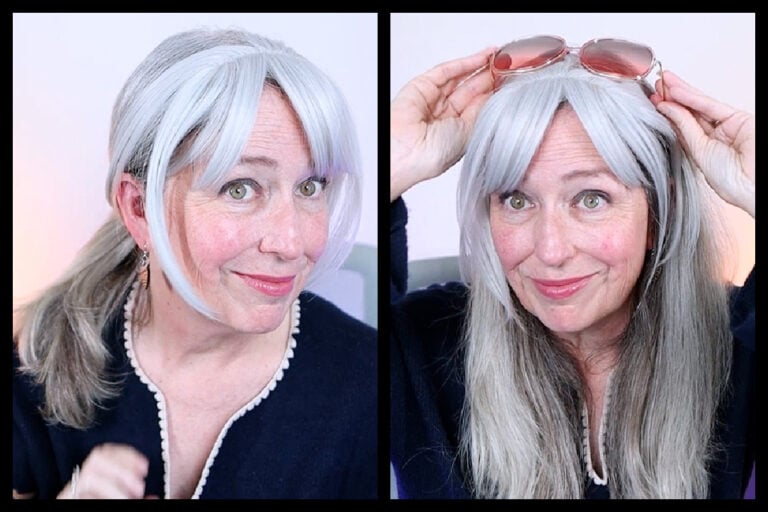
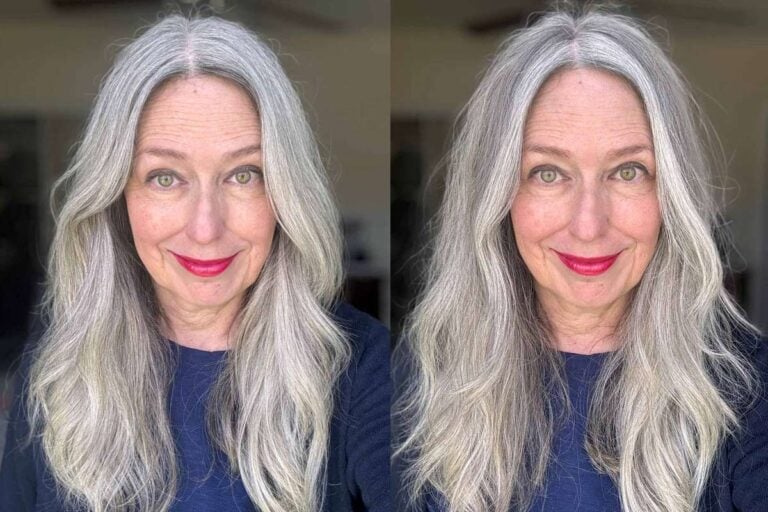
Why Going Gray at 40 Could Be the Best Decision You’ll Make
Are you under 40 and wondering if you’re too young to rock naturally gray hair?
Well, this might surprise you: if you have even one gray hair on your head – whether you’re 25 or 35 – you’re not too young to go gray.
You’ve already got the evidence right there on your head!
So the real question isn’t “Am I too young?”
The real question is: “Do I want to go gray?“
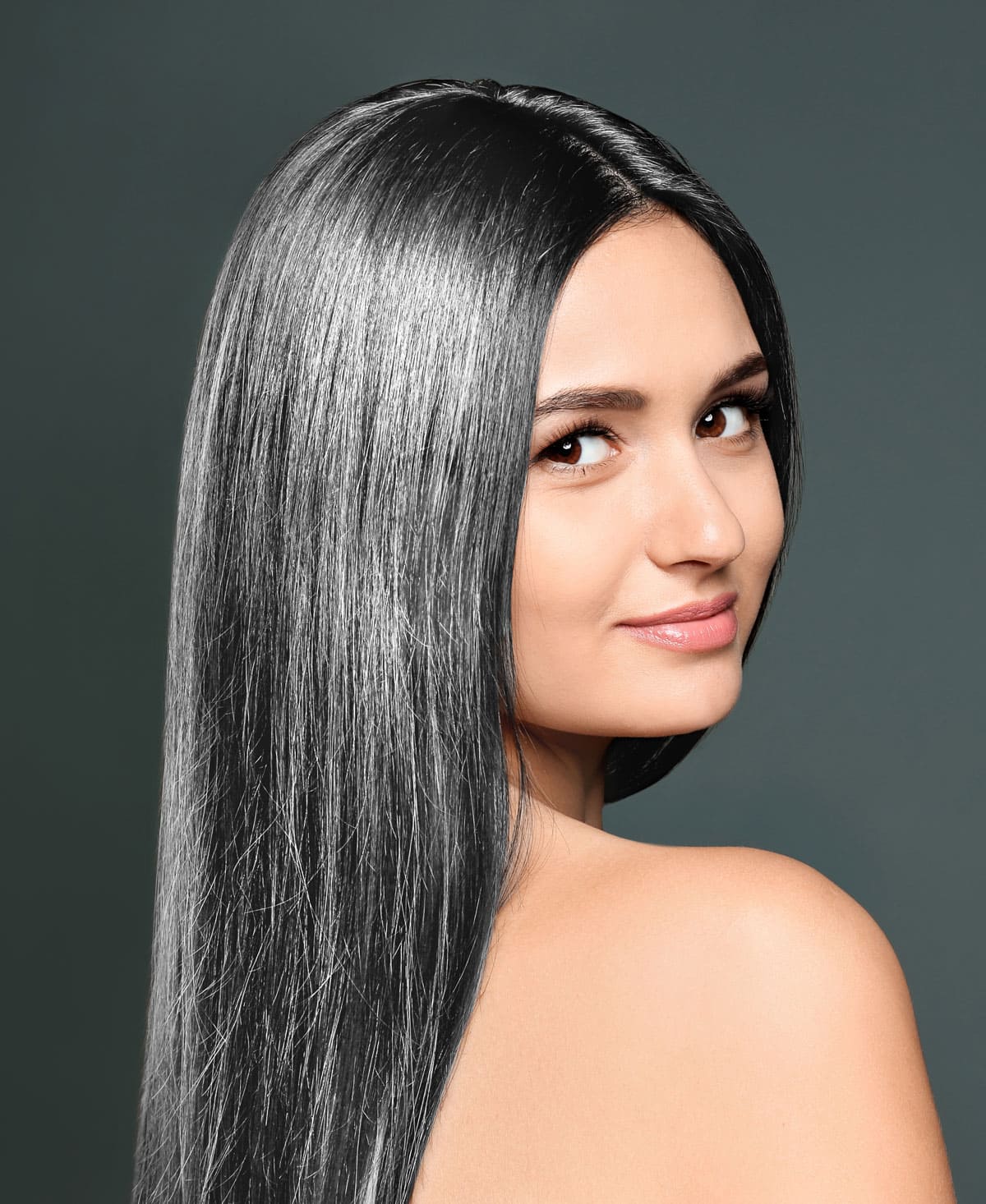
I waited until I was 50 to let my hair go gray, and I’ll be honest – I kind of regret it! Going gray young comes with some incredible advantages (and yes, some real challenges too).
Let’s walk through everything you need to know so you can make the choice that’s right for YOU.
Please note that this article may contain affiliate links. You can read my full disclosure at the bottom of the page.
The Amazing Benefits of Going Gray Under 40
Your Skin is Going to Glow
Here’s something most people don’t realize: gray hair can actually make your beautiful, youthful complexion pop even more.
How?
Your silver hair acts like a natural reflector, bouncing light off your skin and giving you a gorgeous, luminous glow.

Years ago, I interviewed a stunning Irish woman named Niamh who went fully white by age 29. She was already beautiful with her dyed dark hair, but her white hair made her skin absolutely radiant.
That’s the magic of pairing youthful, healthy skin with silver hair – it’s an incredible combination that those of us who waited longer don’t get to experience in quite the same way.
You’ll Skip DECADES of Hair Damage
This one’s huge.
By ditching the dye now (or never starting at all), you’re saving your hair from years and years of accumulated damage. And trust me – that damage builds up over time and just keeps getting worse.
I started dyeing my hair for fun in my 20s, and by the time I was 40, I’d been covering my grays for quite a while. The damage was already severe, but I kept going for another 10 years.
By the end, my hair only looked decent on dye day and maybe a few days after. The rest of the time? Dry, straw-like, dull hair that required shine sprays and keratin treatments just to look somewhat healthy.
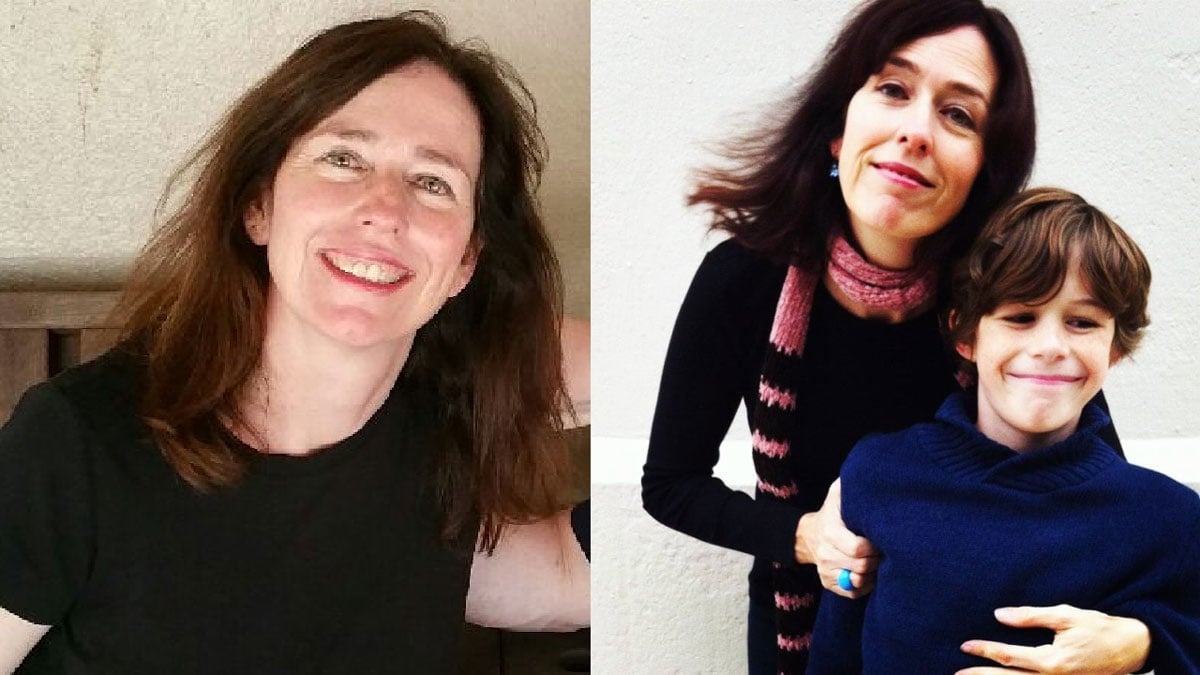
And here’s the kicker: I thought I was losing massive amounts of hair because of menopause.
Nope. It was the dye.
Within a month of ditching the dye, my natural roots came in thicker and healthier. By the time I was fully gray, my hair was as thick as it was when I was a teenager.
At 50, I didn’t think I could ever experience that again!

Your Wallet Will Thank You

Let’s do some math.
Getting a single-process color at a decent salon costs around $140 (depending on where you live). If you’re coloring once a month – which many people do – that’s about $1,680 a year.
A woman who stops dyeing at 40 instead of 50 would save approximately $16,800 over those 10 years.
Even if you use box dye at home, it’s still an ongoing expense.
I don’t know about you, but I can think of a lot of things I’d rather spend my hard-earned money on than covering my roots every few weeks.
Related: Does Going Gray Save You Money?
You Get to Watch Your Hair Evolve in Real Time
Going gray at a younger age means you get to experience your hair color changing over time – and that’s surprisingly fun!

Many brunettes get to enjoy a gorgeous salt-and-pepper phase before transitioning to full silver. One woman in our community called her grays “natural highlights” during her salt and pepper years, and I love that perspective.
I waited so long to ditch the dye that I never got to experience that gradual transition. I just ended up with silver hair all at once, which I love…but I think watching the transformation over time could have been really special too.
Your Kids Grow Up Seeing the Real You

If you have children, letting your hair go gray means they get to watch your hair change naturally over time, rather than experiencing a sudden shock when you stop dyeing.
I didn’t even realize my youngest son thought my hair was still naturally dark brown – he just assumed I went to the salon for haircuts, not color.
When I stopped dyeing, and my gray roots started growing in super quickly, he was genuinely alarmed. He thought I was aging rapidly from some terrible disease!
After I calmed him down and explained it was my natural hair, he said something that really stuck with me: “You’ve been lying to me all this time about what you really look like.”
At first, I thought it was amusing. But the more I’ve thought about it, the more I realize how important it is for our kids – both girls and boys – to see that we don’t need to conform to what society expects of us.
Getting older isn’t something to hide or be ashamed of.
It’s important for girls to understand this because there is so much societal pressure on women to be attractive and eternally youthful.
But boys also need to see this, because they’re going to be future boyfriends, partners, colleagues, bosses, and fathers – and they also need to understand that it’s natural and empowering for women to embrace their authentic selves at any age.
The Health and Environmental Impact
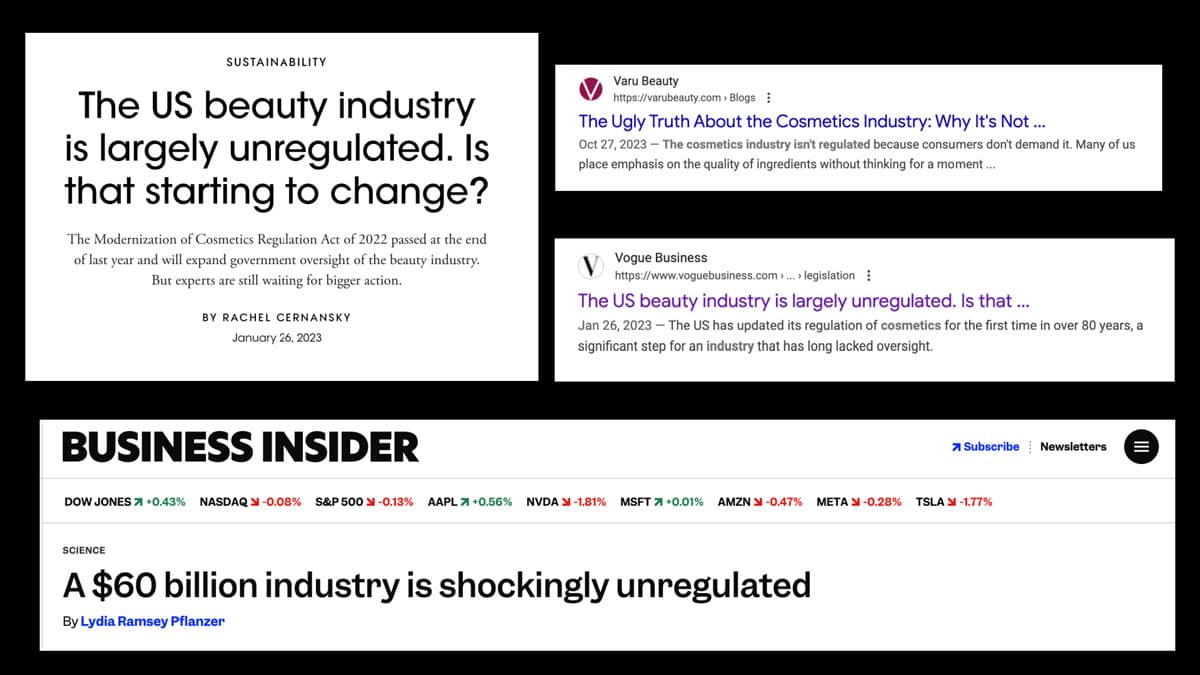
The more I’ve learned about our completely unregulated beauty industry and the potential health effects of hair dye, the more I sometimes wish I’d never started – or at least hadn’t done it for so long.
Research is ongoing (because let’s face it, women’s health studies don’t always get the funding they deserve), but some studies have shown potential links between certain hair dyes, especially dark ones, and certain forms of cancer.
Studies have also revealed the negative impact that hair dye washing down our drains can have on aquatic life and coral reefs.
I’m not a doctor or scientist – I got my Master’s degree in art history(!) – so I can’t speak extensively on this topic. But if you want to learn more, I highly recommend the book True Roots by Ronnie Citron-Fink.
It’s really eye-opening, and I honestly wish I’d read it when I was younger.
Want to Save this Article?
The Real Challenges You Need to Consider
Now, going gray young isn’t all sunshine and rainbows.
There are some pretty significant challenges you need to think about, and I’m not going to sugarcoat them.
People Will Probably Assume You’re Older
Thanks to 100 years of relentless hair dye advertising, many people are going to assume you’re older than you actually are.
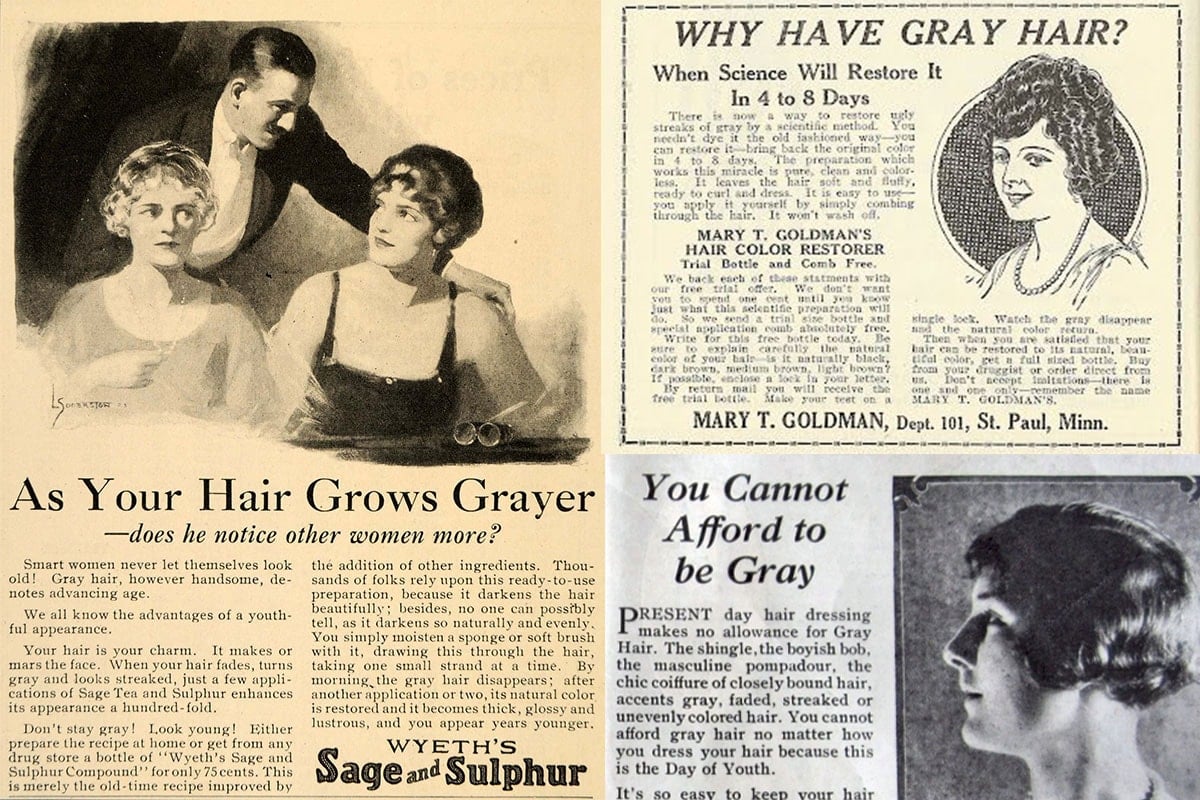
When 75% of people cover their gray roots, it’s still kind of unusual to see gray hair on anyone under 70 or 80. And people are going to make snap judgments based on what they see first.
Here’s the frustrating part: people look at your hair color first and your face second.
They’re not seeing your beautiful, youthful skin right away. They’re seeing gray hair, and their preconceived notions kick in immediately.
This means that if you have young children, some people might assume you’re their grandmother, not their mother.
Or – yikes – they might think you’re your husband’s mother instead of his wife.
It’s totally unfair, but until more people stop covering their gray, it’s probably going to keep happening.
Let me be clear: this says everything about society’s biases and absolutely nothing about you.
The Workplace Can Be Tricky
Depending on your field, gray hair can carry different baggage.
If you’re a doctor or lawyer with a youthful face, gray hair can actually work in your favor – it gives you instant gravitas and authority.
I know this because my brother-in-law is a medical doctor who looked like a teenager well into his 30s. When his hair turned salt and pepper, it instantly conferred an authority that people didn’t see before.
But in industries where youth and beauty are highly valued – like acting, fashion, or entertainment – gray hair can sometimes be viewed as a negative.
Again, it’s not about your ability or your actual age. It’s all about perception.
You’re Going to Get Comments
When you let your hair go gray young, people are going to comment.
People always comment on women’s appearances, and it’s probably going to happen more frequently if you’re under 40.
If you’re relatively confident and secure, it’s easy to let those unsolicited comments roll off your back.
But if you struggle with insecurity or lack confidence, even one negative comment might set you back on your gray hair journey.
Here’s what I love about younger women today: you’re more confident and willing to stand up for yourselves than my generation often was.
You’re not afraid to let people know when they’re out of line or trying to put you in a box about what women should or shouldn’t do.
That’s a real advantage, and it’s going to serve you well.
VIDEO: The Truth About Going Gray Under 40

So… Are You Too Young to Go Gray?
Absolutely not.
There is no age that’s too young to go gray.
But do you want to go gray?
That’s the question only you can answer.
If you’ve decided after reading all of this that you don’t want to go gray, that’s completely fine. Nobody is judging you for that choice.
Your hair, your rules.
But if you’re leaning toward embracing your naturally silver hair, the next step is figuring out exactly how you want to do it.
Because here’s the beautiful thing: there’s not just one right way to go gray. You’ve got options – from cold turkey to salon methods to a pixie cut transformation.
One woman in our community started with henna to avoid harsh chemicals, then transitioned to her natural gray over several years. She was salt and pepper for a while – her own natural highlights – and now she’s mostly gray with just a bit of dark in the back.
Her verdict? “I don’t regret my choice to go natural.”
Another reader decided to stop touching her color and focus on keeping her hair as healthy and clean as possible in its natural state.
Simple, straightforward, and totally valid.
Your journey is yours alone, and however you choose to do it is the right way for you.
Ready to Join the Silver Revolution?
Going gray under 40 is a bold, empowering choice.
Yes, there will be challenges. Yes, you’ll probably face some judgment.
But you’ll also experience a freedom that’s hard to describe until you feel it yourself.
- You’re not hiding behind a bottle anymore.
- You’re not spending hours in the salon chair or hundreds of dollars every month.
- You’re not damaging your hair or worrying about roots showing up days after you color.
You’re just… you. Your authentic, badass, silver-haired self.
And that? That’s pretty damn powerful.
What’s your biggest concern about going gray young? Drop a comment below – let’s talk about it. And if you’re already on your gray hair journey, share your experience! Your story might be exactly what someone else needs to hear today.
Ready to ditch the dye? Join thousands of women in our Facebook gray hair support group who are rocking their natural silver hair at every age. You don’t have to do this alone – we’ve got your back!
Please do me a favor and share this post to social media, as it helps me grow my audience and spread the word about our Silver Revolution! And remember to subscribe to my YouTube Channel and Pinterest Feed for more gray hair tips and product recommendations. Thanks!